


A tequila brand story is the combination of origin facts, production proof, and cultural ties a brand uses to claim authenticity, and most of what you read on a bottle’s label or a website’s “our story” page is a mix of both real documentation and marketing polish. This article breaks down the four elements every credible story shares, how to verify them yourself, and where Whiteout Tequila’s own claims hold up against that checklist.
- Verifiable details like NOM numbers, specific production methods, and named agave sources are essential to distinguish authentic brand stories from marketing noise.
- Checking the brand’s documented water source, harvest age, and production timeline provides concrete indicators of authenticity and craftsmanship.
- Ownership milestones such as acquisition dates and distributor approvals reveal whether a brand’s growth claims are backed by actual market progress.
- Purpose-driven brands should present measurable commitments to conservation or community programs, not just vague references, to establish credibility.
- Tasting a bottle and comparing it with the stated production details offers the clearest test of a brand’s authenticity beyond its storytelling.
Table of Contents
- What Makes a Compelling Tequila Brand Story
- Origin Archetypes and What Each One Signals
- Production and Authenticity Signals You Can Actually Verify
- Whiteout Tequila: A Case Study in Verifiable Claims
- How Tequila Brands Enter and Scale in the U.S. Market
- Branding and Bottle Design as Part of the Story
- Timeline and Milestones Worth Tracking in a Brand’s History
- Signature Expressions That Define a Brand’s Identity
- Terroir and Agave Sourcing: Why Region Shapes Flavor
- Brand Philosophy: How Tequila Companies Differentiate Through Story
- Author Perspective: Reading Tequila Stories With a Collector’s Palate
- Try Whiteout: Where to Buy and Taste It Yourself
- Sources
- FAQ
What Makes a Compelling Tequila Brand Story
Every tequila narrative worth remembering is built from the same four raw materials. How a brand handles each one tells you whether you’re reading history or hearing a pitch.
- Founder origin. Who started the brand, and why. A third-generation jimador family carries different weight than a celebrity who signed a licensing deal.
- Production provenance. Where the agave grows, who distills it, and what NOM number appears on the label.
- Cultural or community ties. Real partnerships with Jalisco communities, conservation projects, or artisan cooperatives, as opposed to a stock photo of an agave field.
- Visual and packaging cues. Bottle shape, label typography, and color choices that reinforce (or fabricate) a sense of heritage.
None of these elements proves authenticity by itself. A hand-drawn label doesn’t mean a family actually owns the land it depicts, and a founder’s name on a bottle doesn’t mean that person had anything to do with the recipe. The elements that hold up under scrutiny, such as a documented water source or a named maestro tequilero, function as evidence. The ones that don’t, like vague references to “ancient traditions” with no specifics, are just noise dressed up as heritage.
Purpose-driven brands add a fifth layer: measurable commitments to causes like conservation or clean water access. When a brand cites purpose-driven missions tied to conservation or community programs, that story only holds up if the commitment is documented, not just implied.
Pro Tip: Before you trust a brand’s founder story, search the surname alongside the town or region named in the story. Real multi-generation families usually show up in local news, agricultural records, or trade publications long before they show up in a marketing campaign.
Origin Archetypes and What Each One Signals
Tequila brand stories tend to fall into four recurring molds, and each one asks for a different kind of verification.
- Heritage family brands claim generational land ownership and traditional recipes. Check the NOM number against the distillery it’s registered to, and look for evidence the family actually controls production, not just the brand name.
- Celebrity-founder brands trade on a famous face. The real question is ownership versus endorsement. Casamigos is the clearest example of the difference: it started as a private recipe among its three co-founders before becoming a commercial product, and Diageo acquired it in 2017 in a deal reported at roughly $700 million paid at closing with up to $300 million in performance-based earn-outs. That earn-out structure is common in premium spirits acquisitions and usually signals the founders stayed involved after the sale, since payouts depend on continued performance.
- Craft outsider brands lean on research timelines and named partnerships with local maestros. Look for specific years, specific towns, and specific people, not just “years of dedication.”
- Purpose-driven brands cite donations or conservation partnerships. A credible version names the organization and the outcome; a vague one just gestures at “giving back.”
The pattern that separates a durable story from a marketing flourish is specificity. A brand that names its water source, its cooperage program, or its exact NOM registration gives you something to check. A brand that only offers adjectives doesn’t.
Production and Authenticity Signals You Can Actually Verify
Every legitimate tequila bottle carries an NOM number, a four-digit code identifying the specific distillery (Norma Oficial Mexicana) that produced it. You can cross-reference that number against Mexico’s Tequila Regulatory Council registry to confirm the distillery actually exists and is licensed. Multiple brands sharing one NOM number isn’t unusual, since many distilleries produce for several labels, but it does mean the founder’s “family distillery” story deserves a second look if the NOM traces back to a large contract producer.
“100% agave” is a legally defined term in Mexico. It means every drop of alcohol came from Blue Weber agave, with no neutral grain spirits blended in. “Additive-free” is not legally regulated the same way, so it’s a claim worth checking against the brand’s own transparency rather than assuming it’s audited.
Three production signals to look for:
- Extraction method. Tahona (stone wheel) extraction versus roller mills changes texture and cost, and brands that use tahona usually say so explicitly.
- Cooking method. Traditional brick ovens versus autoclaves affects flavor and timeline.
- Water and fermentation. Reporting on brands like Cazcanes shows how water source materially shapes tequila flavor, which is why serious producers document it.
Pro Tip: Harvest age matters more than most labels admit. Agave harvested too young produces thinner, less complex spirit, so a brand that states its typical harvest age (usually 6 to 8 years for Blue Weber) is giving you real information, not filler.
Whiteout Tequila: A Case Study in Verifiable Claims
Whiteout Tequila’s story centers on additive-free, 100% Blue Weber agave production made in small batches using traditional Mexican methods. The brand’s own materials describe hand-selected agave and slow cooking as central to how the tequila is made, which lines up with the production signals worth checking in any brand’s story: extraction method, cooking approach, and batch size.
A brand’s story is only as strong as the details it’s willing to put in writing. Naming an extraction method, a cooking process, or an agave selection standard gives a reader something concrete to weigh against the marketing.
Whiteout also cites gold medal recognition for its tequila, a credibility marker worth checking directly on the brand’s product pages rather than taking on faith. Here’s how the brand’s claims map to the verification framework above:
- Production provenance: small-batch, hand-selected agave, traditional cooking methods.
- Authenticity signal: additive-free, 100% Blue Weber agave, no shortcuts to neutral spirit blending.
- Craft claim: artisanal attention to quality rather than mass production.
Readers who want deeper production detail can walk through how tequila is made from field to bottle to see where each of these claims fits into the broader process.
How Tequila Brands Enter and Scale in the U.S. Market
Getting a bottle onto an American shelf involves more regulatory friction than most brand stories mention. A tequila needs its NOM registration in Mexico, then has to clear U.S. Alcohol and Tobacco Tax and Trade Bureau (TTB) import approval, and finally needs a licensed importer and a state-by-state network of distributors, since alcohol distribution in the U.S. runs through a three-tier system that varies by state.
- Distribution usually starts small: a handful of states, on-premise accounts at bars and restaurants before retail shelf space.
- National distributor deals, when they happen, mark a genuine inflection point in a brand’s growth story rather than just a marketing milestone.
- Acquisitions often include earn-out structures, meaning founders stay financially tied to performance and often keep a public role after the sale.
- Grassroots discovery, meaning bartenders, tastings, and creators, remains one of the most reliable ways new brands build authentic demand before any big distribution deal ever happens.
When a brand’s story leans hard on “explosive growth” without naming a distributor, a state rollout, or a specific year, that’s usually a sign the milestone is more aspirational than documented.
Branding and Bottle Design as Part of the Story
Bottle design isn’t decoration bolted onto a finished product, as seen in premium packaging exemplified by products like the Foundation Olmec Claro Toro that reinforce heritage and craftsmanship. It’s often the first piece of the story a shopper actually reads, usually before they’ve picked up the bottle or checked a single production detail.
Frosted glass, matte finishes, and stark black-and-white palettes tend to signal a modern, lifestyle-driven identity, aimed at buyers who want a bottle that looks as good on a bar cart as it does at a party. Embossed agave motifs, hand-numbered labels, or wax seals lean the opposite direction, gesturing toward tradition and small-batch production. Neither approach is inherently more honest. A minimalist bottle can hold traditionally made tequila, and an ornate one can hold something mass-produced.
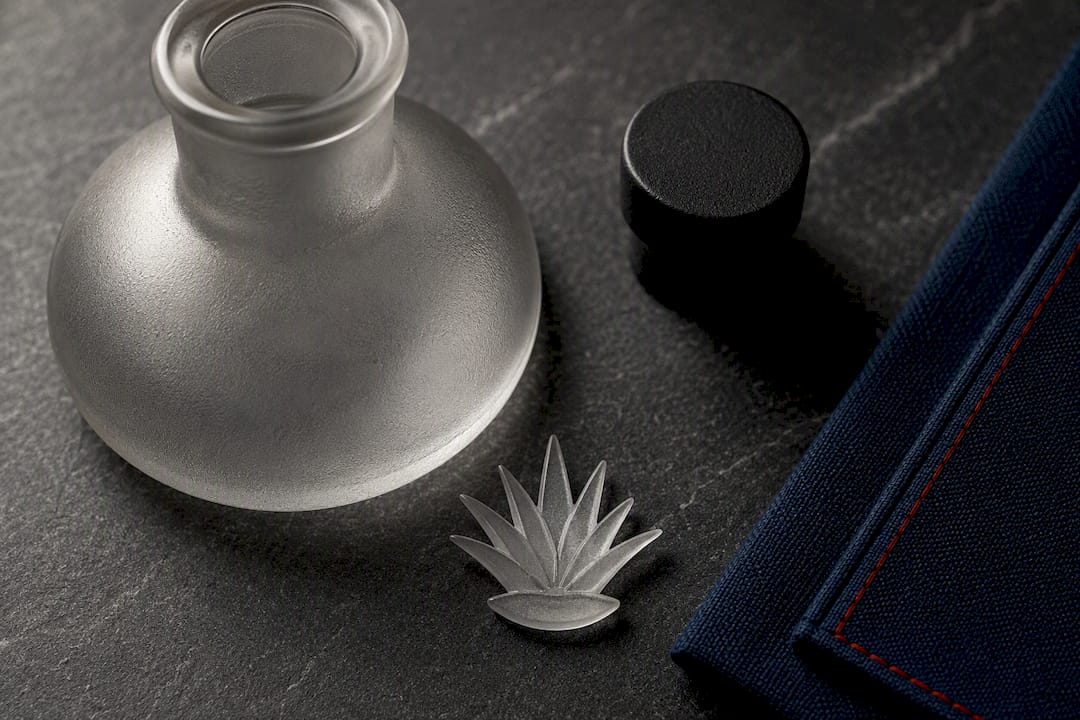
What separates design as storytelling from design as disguise is whether the visual cues match the production claims elsewhere on the label. A bottle covered in imagery suggesting centuries-old craft should have a NOM number, an agave sourcing detail, or a founder story that backs that impression up. When the packaging promises heritage and the fine print says nothing, that gap is worth noticing.
Color palette matters commercially, too. Bold, high-contrast branding (stark whites, deep blacks, metallic accents) tends to signal a brand built for social occasions and gifting, which is a different positioning than an amber-toned, rustic label aimed at sipping enthusiasts. Neither is better. They’re built for different shelves and different moments, and reading that intent is part of understanding the story a bottle is trying to tell before you even open it.
Timeline and Milestones Worth Tracking in a Brand’s History
The dates in a brand’s story tend to matter more than the adjectives. A launch year tells you how long a recipe has actually been tested commercially, as opposed to sitting in development. An acquisition date tells you when outside capital and distribution muscle entered the picture, which often changes how a brand scales even when the founders stay involved.
Casamigos again offers the clearest documented example: founded privately among friends, launched commercially, then acquired by Diageo in 2017 in that roughly $700 million deal with performance-based earn-outs. Industry coverage of the sale frames it as part of a broader billion-dollar exit narrative built on founder-operator involvement rather than a simple celebrity licensing deal, which is exactly why the story held up commercially.
Other milestones worth tracking in any brand’s timeline include the year a brand secured its first national distributor, the year it expanded past its home state, and any year it changed ownership structure. Craft brands sometimes cite a multi-year R&D period before launch, and that number matters. A brand that spent nine years developing its recipe and distillery relationships before commercial release is telling you something real about patience and craft, not padding a timeline for effect.
Signature Expressions That Define a Brand’s Identity
Every established tequila brand has a flagship expression, the bottle that defines what the brand is even when the lineup expands. For most producers, that flagship is the Blanco, since it’s the clearest expression of the raw agave and production choices with no barrel aging to soften or mask them.
A Blanco’s flavor comes directly from three decisions: agave harvest age, cooking method, and fermentation approach. Nothing hides behind oak. That’s why a brand’s Blanco is usually the fairest way to judge whether its authenticity claims translate into an actual sensory experience, rather than reading well on a label but tasting thin or harsh in the glass.
Reposado and Añejo expressions extend the identity but rely on cooperage choices, meaning the barrels a brand selects and how long it rests spirit in them. A brand that names its barrel program (used bourbon barrels, French oak, a specific char level) is giving you a real detail to weigh, the same way water source and harvest age function as verifiable claims elsewhere in a brand’s story. Flagship expressions built around clear, specific production choices tend to hold up better under scrutiny than lineups defined mostly by flavor-adjective marketing.
Readers curious about how aging changes flavor and identity can compare Blanco, Reposado, and Añejo profiles directly against a brand’s own stated production choices.
Terroir and Agave Sourcing: Why Region Shapes Flavor
Agave grown in the highlands of Jalisco (Los Altos) tends to produce sweeter, more floral, fruit-forward spirit, largely because of the region’s red volcanic soil and higher elevation. Agave grown in the lowlands, closer to the town of Tequila itself, tends to produce earthier, more vegetal, mineral-forward spirit tied to the region’s darker, more mineral-rich soil.
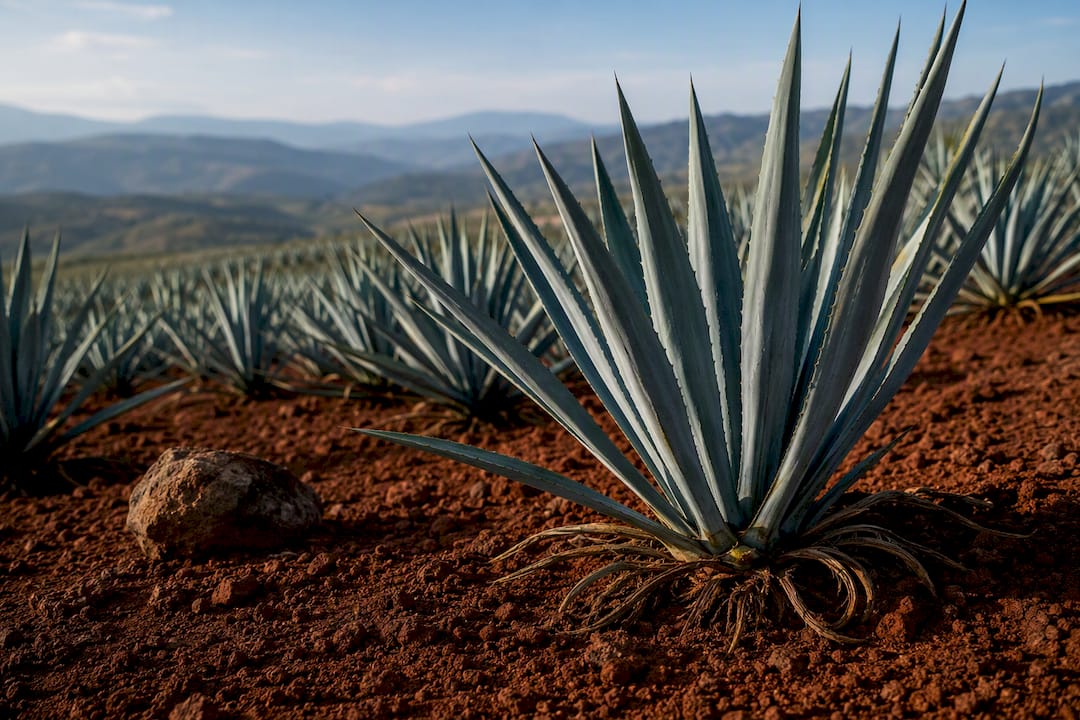
That regional split is one of the most reliably verifiable claims a brand can make, since it’s tied to geography rather than marketing language. A brand that names its specific growing region, whether highland or lowland or a blend of both, is giving you a real flavor prediction you can test yourself against the glass.
Water source compounds this effect. Reporting on producers like Cazcanes has shown that water chemistry measurably shapes final flavor, affecting everything from fermentation behavior to the final spirit’s mouthfeel. Brands that document a specific water source, whether it’s a mountain spring, a well, or a municipal supply treated a particular way, are handing you one of the strongest, most defensible storytelling hooks available in the entire category. It’s specific, it’s checkable, and it directly predicts what you’ll taste.
Harvest age adds a third variable. Agave harvested at 6 years tastes noticeably different from agave harvested at 9 or 10 years, generally trading some sweetness for more complexity and earthiness. A brand willing to state its typical harvest window is telling you something concrete about the tradeoffs baked into its flavor profile.
Brand Philosophy: How Tequila Companies Differentiate Through Story
Every brand needs a reason to exist beyond “another tequila,” and philosophy is usually where that reason gets articulated. Some brands build around lineage, positioning themselves as caretakers of a recipe rather than inventors of one. Others build around disruption, framing themselves as outsiders fixing a category full of shortcuts and additives. Still others build around a cause, tying the brand’s identity to conservation or community outcomes that extend past the bottle itself.
The philosophy a brand chooses shapes everything downstream, including bottle design, marketing tone, and which production details it chooses to emphasize. A lineage-focused brand will emphasize NOM registration and multi-generation land ownership. A disruption-focused brand will emphasize what it refuses to do (no additives, no shortcuts, no neutral spirit blending). A cause-focused brand will emphasize partnerships and outcomes, and those claims only hold up when they’re tied to specific, measurable commitments rather than vague gestures toward giving back.
None of these philosophies is inherently more honest than another. What separates a real brand philosophy from a marketing veneer is consistency. Does the story the brand tells match the production choices it documents, the packaging it chooses, and the price point it sets? A brand claiming artisanal small-batch craft while pricing itself like a mass-market well tequila is sending mixed signals worth noticing before you buy.
Author Perspective: Reading Tequila Stories With a Collector’s Palate
Story and glass should agree, and when they don’t, trust the glass. A great founder narrative doesn’t fix thin, harsh spirit, and a plain label doesn’t disqualify something genuinely well made. Appreciate the story for what it adds to the occasion, but let your own palate be the final vote. Before spending real money on a premium bottle, take fifteen minutes to check the NOM number and the production claims yourself.
Try Whiteout: Where to Buy and Taste It Yourself
The best way to test everything in this article’s verification checklist is against an actual bottle, not just a label description. Whiteout Tequila’s Blanco is built around additive-free, 100% Blue Weber agave, hand-selected and produced in small batches using traditional methods, which gives you a real reference point for judging harvest age, extraction, and cooking choices against what lands in the glass.
You can shop the Whiteout Blanco and full merch and barware lineup directly, including branded glassware and barware built for serving it properly. If you’d rather find a bottle in person first, the store locator will point you to retail availability near you. Either way, the fastest way to know whether a brand’s story holds up is to taste it yourself and compare notes against the production details on the label.
Sources
- Who Owns Casamigos Tequila? The Diageo Buyout Story - LegalClarity
- Casa J tequila: the nine-year mission - NewRulesBev
FAQ
What Are the Top Tequila Brands by Reputation?
Reputation in tequila tends to split between heritage producers with decades of NOM-registered history and newer craft or celebrity-founded brands that built recognition through acquisitions and grassroots distribution. Casamigos is the most cited modern example, largely because its 2017 acquisition by Diageo turned a founder-operator story into a widely reported case study. Premium additive-free brands like Whiteout Tequila compete on production transparency rather than acquisition headlines.
Is Casamigos Still Owned by George Clooney?
No, Diageo has owned Casamigos outright since acquiring it in 2017 for roughly $700 million at closing, with up to $300 million in additional earn-outs. Clooney and his co-founders reportedly stayed involved in the brand’s direction after the sale, which is typical of earn-out structures tied to continued performance.
What Are 10 Popular Tequila Brands?
Popular tequila brands span several archetypes: heritage family producers, celebrity-founded labels like Casamigos, purpose-driven brands built around conservation missions, and craft additive-free brands like Whiteout Tequila. Rather than ranking ten by name, the more useful approach is checking each brand’s NOM number, agave sourcing, and production method against the verification signals covered above.
What Makes a Good Tequila Brand Tagline?
The strongest tequila taglines tend to tie directly to a verifiable production detail or a clear brand philosophy, rather than generic language about celebration or luxury. Whiteout Tequila’s branding, for example, leans into themes of boldness and memorable moments tied to its additive-free, small-batch production, which gives the tagline something concrete to stand on rather than just an adjective.
How Much Does Whiteout Tequila Cost?
Current pricing for Whiteout Blanco and its merch and barware lineup is available directly on the Whiteout Tequila site, since prices are listed there rather than published elsewhere.
